Independent consumer & market intelligence
BLK & Bold
Could slower trial be less about product quality and more about recognition, confidence, and relevance?
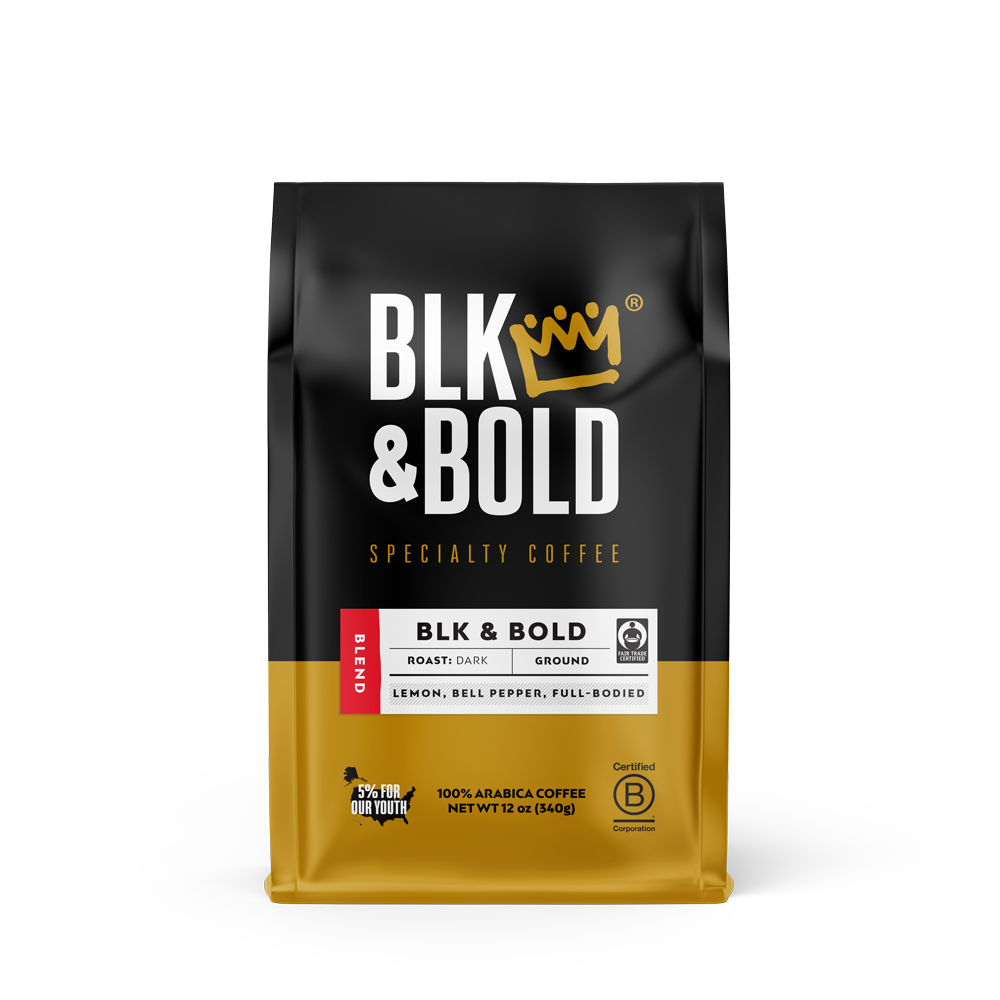
This outside-in analysis is based on public signals. It demonstrates how Brand, Actually frames a business question; internal and first-party brand data would be required to validate any hypothesis.
The question behind the result
A signal tells us where to look. It doesn’t tell us what caused it.
Exploring how purpose, recognition, and point-of-choice proof intersect in coffee.
Observed in public evidence
What appears visible
National distribution creates access, but access does not automatically create recognition, credibility, trial, or repeat purchase.
Our interpretation
The working hypothesis
Distribution may be ahead of brand salience and consumer confidence at the point of purchase.
What remains unknown
What public signals cannot prove
Public signals cannot determine whether the primary constraint is qualified awareness, shelf differentiation, consumer confidence, relevance, or the reason shoppers choose the brand.
What would validate it
The internal evidence we would need
Qualified awareness; shelf differentiation; retailer product pages; search behavior; social conversation; purchase barriers; and whether taste, cultural relevance, impact, or ease is the strongest reason to choose.
The Brand, Actually approach
Good intelligence doesn’t confirm the story you already believe. It tests it.
Consumer behavior, retail performance, distribution and availability, conversion, positioning, and market signals become useful when they are connected to a specific business decision.
Continue exploring
More Brand, Actually insights
What a Married at First Sight rabbit hole can teach us about context, denominators and asking better questions of our data.
View insights →Why is website traffic growing without sales?
View insights →Why did my product launch underperform?
View insights →
Could what appears to be a product-proof problem also involve availability and the path to purchase?
View insights →
Could retail expansion create a larger problem if existing distribution is not functioning consistently?
View insights →