Independent consumer & market intelligence
AfroPop
Could retail expansion create a larger problem if existing distribution is not functioning consistently?
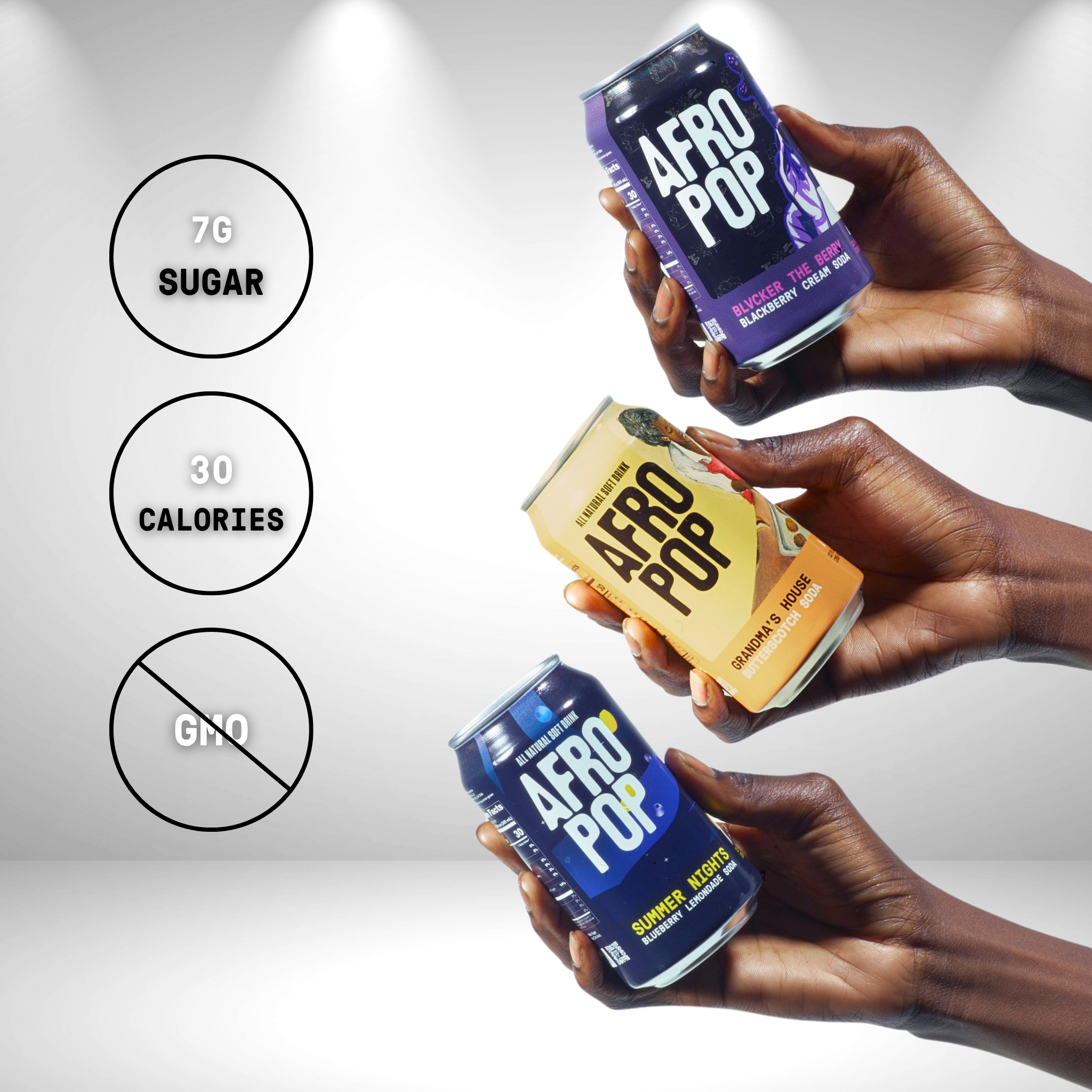
This outside-in analysis is based on public signals. It demonstrates how Brand, Actually frames a business question; internal and first-party brand data would be required to validate any hypothesis.
The question behind the result
A signal tells us where to look. It doesn’t tell us what caused it.
Exploring opportunity at the intersection of culture, nostalgia, modern flavor, and access.
Observed in public evidence
What appears visible
Demand and community energy appear alongside inconsistent ability to find or buy the product.
Our interpretation
The working hypothesis
The opportunity may not be more awareness. Ready demand may be getting lost between excitement, availability, retailer execution, and fulfillment.
What remains unknown
What public signals cannot prove
Public evidence cannot establish whether availability friction is isolated or systemic, where it occurs geographically, or how much consumer demand is lost before purchase.
What would validate it
The internal evidence we would need
Geographic demand; inventory and retailer execution; where-to-buy and restock questions; repeat purchase; fulfillment friction; and lost-sale signals.
The Brand, Actually approach
Good intelligence doesn’t confirm the story you already believe. It tests it.
Consumer behavior, retail performance, distribution and availability, conversion, positioning, and market signals become useful when they are connected to a specific business decision.
Continue exploring
More Brand, Actually insights
What a Married at First Sight rabbit hole can teach us about context, denominators and asking better questions of our data.
View insights →Why is website traffic growing without sales?
View insights →Why did my product launch underperform?
View insights →
Could what appears to be a product-proof problem also involve availability and the path to purchase?
View insights →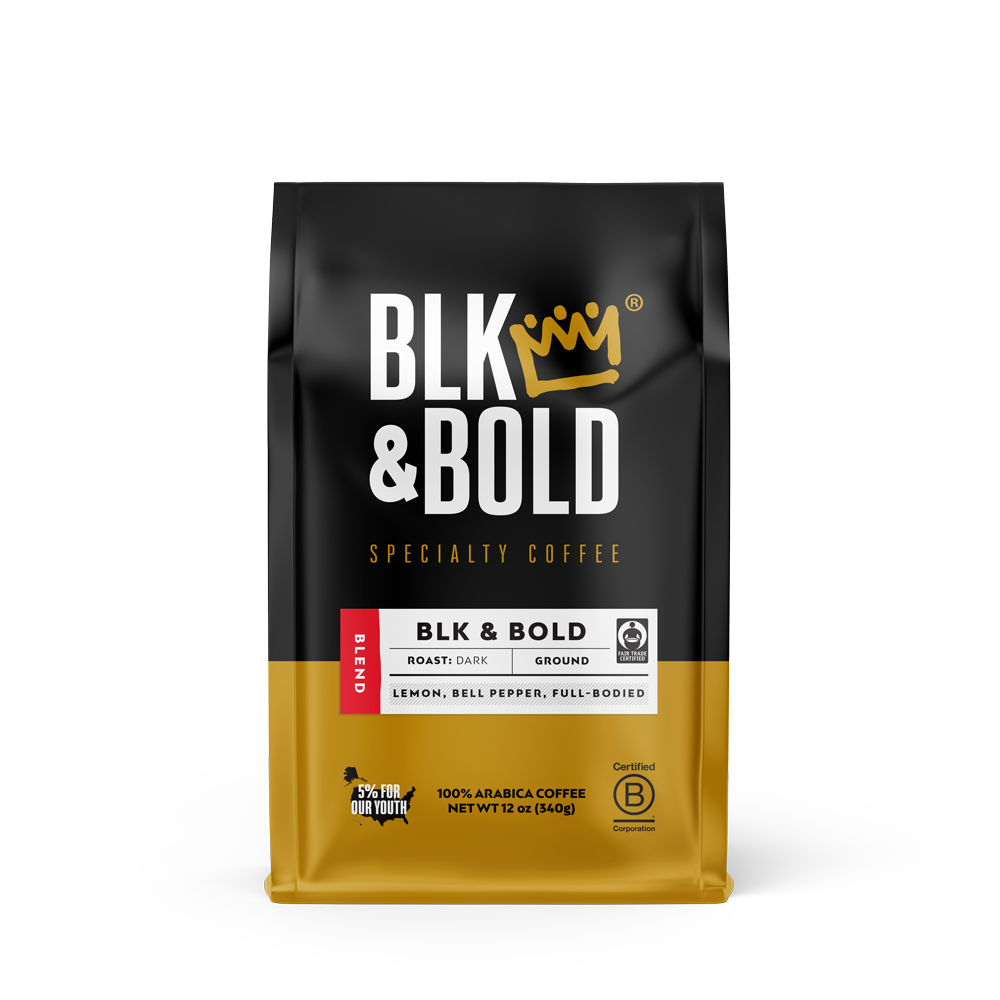
Could slower trial be less about product quality and more about recognition, confidence, and relevance?
View insights →